

Table of Contents
Disclaimer: This guide was authored entirely by Dario Vispar and the Wotbbi team, drawing on years of hands-on experience building fashion brands from the ground up. Artificial intelligence was used strictly as a editing tool to refine and polish select sections.
Introduction
Building a fashion brand is one of the most exciting undertakings in the fashion industry. It is also one of the most misunderstood.
For many aspiring founders, the process appears relatively straightforward. Find a product category, develop a collection, choose a name, design a logo, find a manufacturer and launch a website. With social media providing access to a global audience, the barriers to introducing a new label can seem lower than ever.
Yet launching a fashion label and building a successful fashion brand are two very different achievements.
A collection can be manufactured. A website can be published. An identity can be designed. But none of these things, individually, guarantees that people will care about the brand, understand what makes it different or have a compelling reason to choose it over the hundreds of alternatives competing for their attention.
The fashion brands that establish meaningful positions in the market are built through a more deliberate process. Their products, positioning, identity, business model and customer experience are developed with a shared direction. Each decision serves a purpose, and the relationship between these decisions creates something that is difficult to reproduce.
This is what building a fashion brand properly requires.
Whether you are starting a clothing brand from scratch, preparing to launch a luxury fashion label, developing a streetwear brand or turning an existing product idea into a complete fashion business, the principles remain remarkably similar.
This guide explains how to build a fashion brand from the ground up, covering everything from market research and brand strategy to product development, manufacturing, visual identity, marketing and long-term development.
More importantly, it explores how these stages connect, what needs to be considered at each stage and how to avoid the mistakes that prevent promising fashion concepts from becoming established brands.
1. Establish the Founding Premise of Your Fashion Brand

Before researching manufacturers, designing garments or choosing a name, establish what you are actually trying to build.
Every fashion brand begins with an idea, but an idea alone is rarely enough to support a business.
You might want to create a luxury womenswear label, introduce a new approach to streetwear, develop technically advanced activewear or bring a particular aesthetic into a category that has yet to embrace it. These are starting points. The work begins when you turn that initial ambition into something specific.
Start by answering a few fundamental questions.
What are you building?
Determine the category, product types and general direction of the brand. A label specializing in tailored menswear will have very different requirements from one producing contemporary jewellery, performance clothing or everyday essentials.
Be as precise as possible. If you intend to create a womenswear brand, consider whether that means occasionwear, contemporary ready-to-wear, modest fashion, luxury basics or something else entirely.
Why does this brand need to exist?
There should be a genuine reason for introducing another name into an already competitive market.
Perhaps you see an underserved audience. Perhaps you have identified a gap in product quality, design, functionality or cultural representation. You may have a distinct creative perspective that you believe deserves to exist commercially.
Your reason does not need to be revolutionary. It does need to be convincing enough to guide decisions and give the business a meaningful direction.
What are you trying to establish?
Consider your ambitions beyond the first collection. Do you want to build a small independent label, establish an internationally recognized luxury house, create a specialist footwear brand or eventually operate across several fashion categories?
The scale of your ambition influences the decisions you make at the beginning, from the initial investment and production model to the identity and distribution strategy.
What resources and constraints are you working with?
Be realistic about your available capital, experience, team, production access, location and timeline. A founder with access to an experienced atelier and substantial investment can approach product development differently from someone starting with limited resources.
These constraints should shape the initial scope of the project.
A useful exercise is to prepare a founding brief containing the intended category, product direction, target market, initial investment, launch ambitions and the reason you believe the brand deserves a place in the market.
This document does not need to be elaborate. Its purpose is to establish a starting point against which future decisions can be evaluated.
A strong founding premise gives the project direction. The next stage is discovering whether that direction has a genuine opportunity in the market.
2. Research the Fashion Market, Your Category and Your Customers

Market research is one of the most consequential stages of building a fashion brand. It informs nearly every major decision that follows, including positioning, product development, pricing, identity and marketing.
Unfortunately, it is also one of the stages founders most frequently rush.
Looking at a few successful brands on Instagram, collecting Pinterest references and identifying popular fashion trends may provide inspiration. It does not constitute meaningful market research.
The objective is to understand the environment in which your brand will operate, the people it intends to serve and the opportunities that may exist between what the market currently offers and what customers actually want.
Understand the category you intend to enter
Begin by studying the specific fashion category you are considering.
Examine its size, established conventions, price levels, product expectations, distribution channels and dominant players. Pay attention to how the category has developed and whether customer expectations are changing.
For example, someone launching a luxury streetwear brand should understand the differences between luxury streetwear, designer streetwear and conventional commercial streetwear. Although these categories overlap, they operate with different expectations concerning design, quality, pricing, cultural relevance and brand perception.
Look at the category from several perspectives:
• Market structure: Who are the established brands, emerging labels and smaller independent players?
• Product landscape: What products dominate the category? Which silhouettes, materials, constructions and functions appear most frequently?
• Pricing: What are customers expected to pay, and how does pricing vary between different market positions?
• Distribution: Are brands primarily selling directly through their websites, through retailers, marketplaces or physical stores?
• Cultural context: What movements, lifestyles, aesthetics and social developments influence the category?
• Customer expectations: What do consumers consider essential when purchasing within this category?
The objective is to develop a grounded understanding of the market before deciding where your brand belongs.
Study your competitors properly
Competitor research should extend beyond identifying brands with similar products.
Select a group of established competitors, emerging labels and brands operating in adjacent categories. Study what they offer and how they have constructed their market positions.
Examine their product ranges and signature pieces; brand positioning and messaging; visual identities and creative direction; price architecture; websites and purchasing experiences; advertising, campaigns and social media; retail and distribution strategies; and customer reviews and public feedback.
Pay particular attention to the relationship between what a brand claims and what it actually delivers.
A label might position itself around exceptional craftsmanship. Does the product photography communicate construction quality? Are materials and production details explained? Does the price reflect the promise? Does the customer experience support the perception?
This type of analysis helps you understand why certain brands are successful and where their approaches might leave opportunities for others.
It is also important to study competitors outside your immediate product category. A contemporary fashion label may be competing for the same customer's attention and discretionary spending as a footwear brand, beauty label or luxury accessories house.
Your competitive environment is defined partly by what customers choose instead of you, not simply by what other companies manufacture.
Research the people you want to reach
Understanding your customer requires more than defining an age group, gender, income level and geographical location.
Those details can help describe a potential audience, but they rarely explain purchasing motivation.
Two people with nearly identical demographics may have completely different relationships with fashion. One may purchase clothing to communicate professional authority, another to express creative individuality. One may prioritize craftsmanship and longevity, while another is attracted to cultural relevance, exclusivity or experimentation.
Explore the motivations behind purchasing decisions.
Consider questions such as:
• What role does fashion play in the customer's life?
• What influences their taste and purchasing decisions?
• Which brands do they already admire, and why?
• What makes a product worth paying more for?
• Where do they discover new fashion labels?
• What frustrates them about the products currently available?
• What makes them trust an unfamiliar brand?
• What causes them to purchase repeatedly from the same label?
Whenever possible, speak directly with people who already purchase within your intended category.
Ask about their actual behaviour rather than relying entirely on hypothetical answers. Someone saying they would purchase a premium sustainable garment is less informative than someone explaining what they purchased recently, how they evaluated it and why they chose one brand over another.
Online reviews, fashion communities, customer discussions, retail observations and social media conversations can provide additional insight.
Look for recurring patterns rather than treating every comment as a universal truth.
Identify the opportunity
Once you understand the category, competitors and customers, begin identifying where your brand could make a meaningful contribution.
This is often described as finding a market gap. However, an opportunity does not necessarily mean discovering a category with no competitors.
In fact, the complete absence of competition may indicate that demand is limited.
A stronger opportunity may exist in a well-established category where existing brands have overlooked a particular customer need, aesthetic preference, price expectation, product function or cultural perspective.
Imagine that your research reveals three things: customers appreciate the design language of high-end contemporary fashion; many products within that segment are priced beyond what a particular audience can comfortably access; and more affordable alternatives offer the price advantage but fall short in construction, materials or design.
That finding could suggest an opportunity for a brand positioned between conventional affordable fashion and established luxury.
The opportunity needs to be commercially viable, but it should also give the brand a reason to be distinctive.
What you should have at the end of this stage
A clear understanding of the category, a competitor landscape, meaningful customer insights, an initial view of market opportunities and evidence supporting the direction you intend to pursue.
Research should continue throughout the development of the brand. New information may challenge an assumption, reveal a better opportunity or require a change in direction. Treat it as an ongoing source of intelligence rather than a document you complete once and put away.
3. Develop Your Fashion Brand Strategy and Positioning

Research tells you what is happening in the market. Brand strategy determines what you intend to do about it.
This is where an idea begins to acquire a distinct commercial and creative direction.
Brand strategy is frequently misunderstood as a collection of statements about a company's mission, vision and values. Those elements may be useful, but a genuine strategy must go considerably further.
It should establish where your brand belongs, whom it is intended for, what makes it relevant, how it should be perceived and what decisions will help it secure that position.
Define your market position
Start by deciding exactly where your brand intends to compete.
Consider its category, price level, audience, product proposition and intended market perception.
For example, two brands can both manufacture women's leather handbags while occupying entirely different positions.
One may focus on understated luxury, exceptional materials and timeless construction. Another may appeal to a younger, fashion-conscious customer through experimental forms, expressive colours and culturally relevant design.
Their products belong to the same general category, but their strategic directions are fundamentally different.
Positioning should clarify these distinctions.
A useful way to develop an initial positioning statement is:
For [specific audience], [brand name] is a [market/category position] that offers [distinctive proposition], because [reason to believe].
This is a working strategic tool, not necessarily public-facing copy. Its purpose is to force clarity.
If the statement could describe twenty competing labels without substantial changes, your positioning is probably too broad.
Define your target audience more precisely
Translate your customer research into a clear understanding of the people the brand intends to attract.
Consider both practical characteristics and psychological motivations.
You should understand their purchasing power, shopping habits and preferred channels, but also their aspirations, values, tastes, cultural references and relationship with fashion.
The strongest audience definitions explain more than who someone is. They explain why a particular brand would make sense in that person's life.
This distinction has important implications for product design, pricing, imagery, language and the environments in which you introduce the brand.
Establish your differentiation
Your brand needs identifiable reasons for customers to choose it over alternatives.
These reasons might originate from:
• A distinctive product design philosophy.
• Specialized construction or material expertise.
• A recognizable aesthetic and cultural point of view.
• A particular approach to quality and craftsmanship.
• An underserved customer or occasion.
• An unusual combination of design influences.
• A compelling relationship between product, price and experience.
Do not confuse differentiation with making every element unconventional.
A brand does not need a completely unprecedented product, an eccentric name or an experimental logo to distinguish itself. Often, differentiation comes from combining familiar elements in a way that reflects a genuinely distinctive perspective.
What matters is whether the difference is meaningful to the intended customer and difficult for competitors to reproduce convincingly.
Determine how the brand should be perceived
Perception is one of the most important strategic decisions you will make.
Consider the associations you want people to form when they encounter your brand.
Should it feel exclusive or accessible? Refined or expressive? Contemporary or heritage-driven? Technical or artisanal? Restrained or visually extravagant?
These qualities should not be selected simply because they sound attractive together. They should emerge from the positioning, customer and product proposition.
A premium technical outerwear brand, for example, may need to communicate precision, reliability and advanced functionality. Its visual identity and messaging should reinforce those perceptions.
A luxury jewellery house may need to communicate rarity, desirability, heritage and exceptional detail.
The intended perception must be consistent with what the business can genuinely deliver.
Define the strategic boundaries
A useful strategy also establishes what the brand will not pursue.
Which product categories would dilute its identity? Which collaborations would contradict its positioning? Which trends should it avoid? Which distribution opportunities might damage its intended perception?
These boundaries matter because new brands are particularly vulnerable to distraction.
Every attractive opportunity creates the temptation to move away from the original direction. Without clear strategic principles, a label can gradually become a collection of unrelated decisions.
At this point, consolidate your thinking into a strategic foundation covering brand purpose and central proposition; category and market positioning; target audience; differentiation; desired brand perception; competitive advantage; brand principles and boundaries; pricing and commercial direction; and long-term ambition.
This foundation becomes the reference point for the entire development process.
At Wotbbi, we consider this one of the defining stages of brand creation. The strategy needs to be strong enough to guide the product, identity, communication and market experience that follow. A visual direction without that foundation is often little more than an aesthetic preference.
4. Develop Your Product Concept and Collection
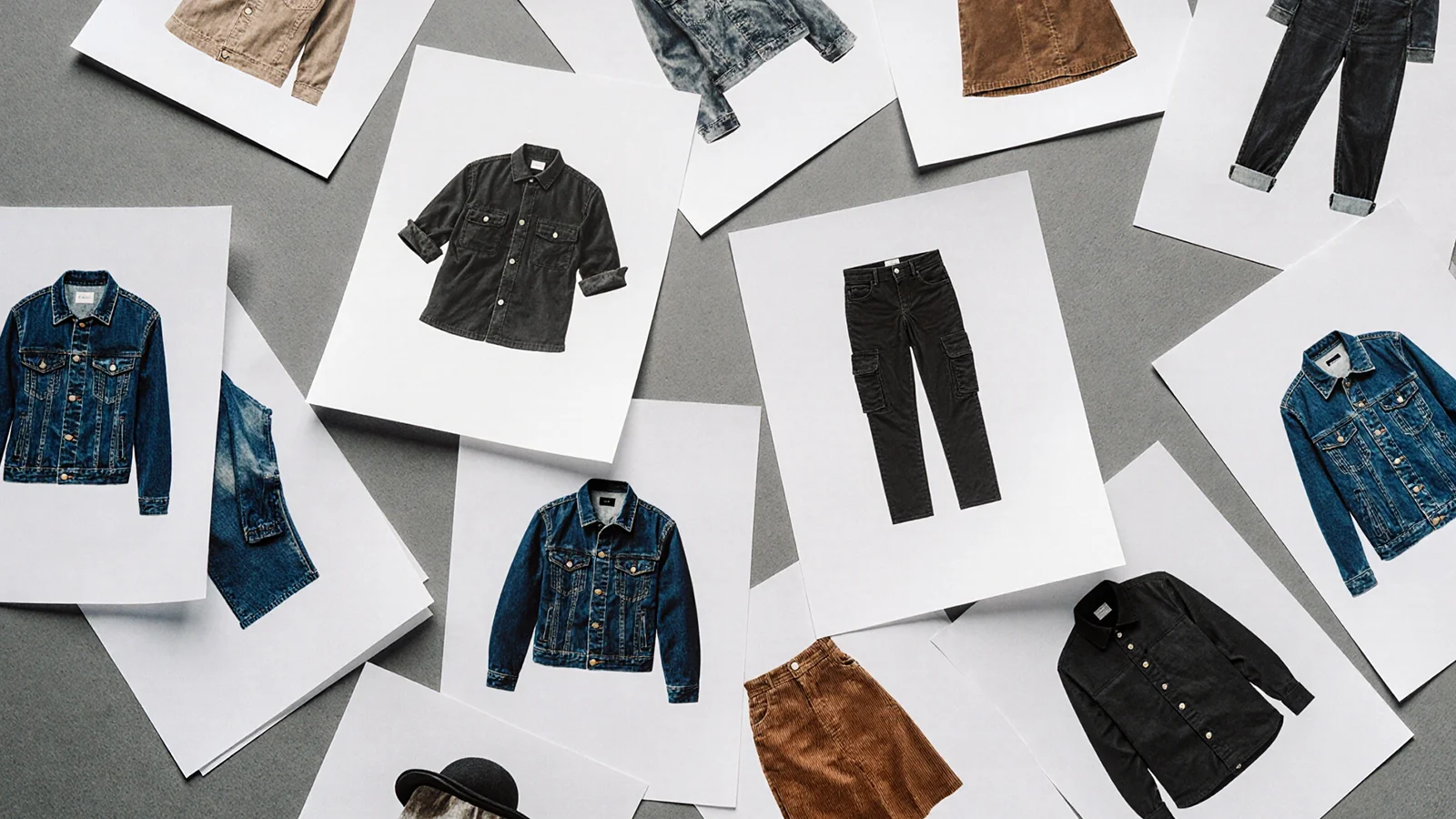
A fashion brand ultimately needs something worth purchasing.
The product is where the brand's promise becomes tangible. It determines what customers receive, what they experience when they wear or use it, and whether the brand's positioning is credible.
This stage should translate your research and strategy into a defined product proposition.
Decide what you will actually sell
Establish the product categories and types that best express your brand's direction.
A new streetwear label might focus on heavyweight garments, distinctive silhouettes and carefully developed graphic pieces. A luxury womenswear brand may prioritize tailoring, eveningwear and signature fabrics.
These decisions should be consistent with the intended customer and market position.
Avoid expanding into too many categories simply because they appear commercially attractive. Every additional category introduces new development requirements, production considerations and inventory commitments.
A focused opening collection is often easier to develop, communicate and manage.
Establish your collection architecture
Think about the role each product will play within the collection.
A useful assortment might include:
• Hero products: Distinctive pieces that introduce the brand's design language and give customers a memorable reason to discover it.
• Core products: Items that establish the foundation of the collection and may be offered repeatedly or developed season after season.
• Supporting products: Pieces that complete the assortment, create styling opportunities and make the collection commercially coherent.
Not every brand needs all three categories in the same proportions. The appropriate balance depends on its business model and product direction.
The important thing is to understand why each item exists.
A collection should feel like a coherent expression of the brand rather than a selection of individually attractive products.
Translate the creative concept into specifications
Product development requires technical decisions that extend beyond the general design idea.
For garments, this can include silhouette and intended fit; fabric composition and weight; colours and finishes; construction methods; trims, fastenings and accessories; measurements and size grading; stitching and finishing standards; and care and durability requirements.
For footwear, bags, jewellery and other fashion products, the technical considerations will differ.
The objective is to turn a creative intention into a product that can be manufactured consistently.
Technical drawings, specification sheets and bills of materials become important tools when communicating requirements to suppliers and manufacturers.
Develop and test samples
Sampling is an essential part of product development.
A design that looks convincing in a drawing may behave very differently when produced in its intended material. Proportions change, fabrics drape unexpectedly, construction details create problems and fit can vary considerably between sizes.
Work through sample development and revisions before committing to a full production order.
Depending on the product, testing may include fit and proportion assessments; fabric performance and shrinkage; colour consistency and colourfastness; stitching and construction quality; hardware and fastening performance; comfort, movement and durability; and consistency across different sizes.
Products should be assessed against defined standards, not simply accepted because they resemble the original concept.
Give the collection a recognizable point of view
Some of the strongest fashion brands develop signature characteristics that become identifiable over time.
This may be a particular silhouette, construction detail, recurring material, proportion, finish or design philosophy.
These characteristics give the collection continuity. They also help customers understand what distinguishes the brand's products.
The goal is to develop products that make sense commercially while contributing to a recognizable identity.
A useful question to ask of every proposed product is: Does this piece strengthen the reason our brand exists?
If the answer is unclear, reconsider its role in the collection.
5. Build Your Brand Story and Messaging

Once the strategic and product directions are established, develop the narrative that brings them together.
Brand storytelling gives people a way to understand what the brand represents and why it matters. It connects the physical product to a larger idea, creating meaning that extends beyond materials, construction and function.
In fashion, where purchasing decisions are often influenced by identity, taste, aspiration and cultural association, this relationship is particularly important.
Find the story within the brand
A compelling brand story should emerge from something genuine.
It might originate from the founder's background, a cultural reference, a particular philosophy of design, an overlooked perspective or a belief about how fashion should be experienced.
The story does not need to be dramatic.
A company manufacturing exceptionally considered everyday garments may have a strong narrative around its approach to simplicity, quality and the relationship between clothing and daily life.
A jewellery label may draw from a specific artistic tradition and reinterpret it through contemporary forms.
What matters is that the narrative is specific enough to belong to the brand.
Avoid relying on generic expressions such as "where tradition meets innovation," "inspiring individuality" or "redefining the future of fashion" unless you can explain exactly what those statements mean in the context of your brand.
Establish the central message
Identify the main idea you want people to remember.
This should communicate the brand's underlying proposition in a way that is clear, distinctive and consistent with its positioning.
From this central message, develop the supporting elements of your communication:
• Brand story: The broader narrative explaining the brand's origins, beliefs, perspective and purpose.
• Brand mission: What the business exists to accomplish.
• Brand values: The principles that influence its decisions and behaviour.
• Brand voice: The personality and manner through which the brand communicates.
• Key messages: The ideas that need to be communicated consistently across the website, campaigns, product descriptions and other touchpoints.
These elements should work together rather than read as unrelated statements.
Develop a recognizable verbal identity
A brand's language is part of its identity.
Consider the vocabulary it uses, how directly it communicates, whether its tone is conversational or formal, and the type of language it deliberately avoids.
A contemporary luxury label may communicate with restraint and precision. A culturally expressive streetwear brand may adopt a more immediate, provocative and informal voice.
Neither approach is inherently better. The correct choice depends on the brand's personality and audience.
Establishing a consistent verbal identity helps ensure that the brand sounds recognizable across different channels and communications.
Most importantly, make sure the story can be supported by reality.
Claims about sustainability, craftsmanship, ethical production, quality or heritage should be accurate and demonstrable. A compelling narrative creates expectations. The business must be capable of meeting them.
6. Create Your Brand Name and Visual Identity

Brand identity is where much of the work completed in the previous stages becomes visible.
It gives the brand a recognizable appearance, creates continuity across different touchpoints and provides a visual language through which people can identify and interpret it.
However, the process should begin with understanding what the identity needs to communicate.
Choose a suitable brand name
The name is one of the most lasting decisions in the development of a fashion brand.
It should be memorable, appropriate to the positioning and capable of supporting the identity you intend to establish.
Consider its pronunciation, spelling, associations, visual potential and suitability across the markets in which you plan to operate.
Some names are descriptive, others are abstract, invented, founder-based or derived from cultural and historical references. The right direction depends on the brand.
Before committing, conduct a proper availability and trademark assessment. A domain being available does not mean the name is legally available for your intended products.
In the United States, the USPTO's trademark clearance guidance explains why searching for confusingly similar marks across related goods and services is important. Similarity can involve pronunciation, appearance and commercial impression, not just identical spelling. Review the official guidance at:
Consider relevant international registrations and markets as well. For significant investments in a brand name, professional trademark advice is worthwhile.
Develop a complete visual identity
A visual identity is a system of elements that work together to represent the brand.
Its components may include:
• Logo and logotype: The primary visual signature used to identify the brand.
• Symbol or emblem: A supporting mark that may function independently of the main logo.
• Typography: The typefaces, hierarchy and typographic treatments that establish the brand's visual character.
• Color system: The primary and supporting colors used across its communications and materials.
• Graphic language: Supporting patterns, shapes, compositions, textures, illustrations and other distinctive elements.
• Art direction: The visual approach governing photography, imagery, styling, casting and presentation.
• Digital design language: The visual principles applied to the website, social platforms and other digital environments.
These elements should operate as a coordinated system.
A distinctive logo is useful, but it cannot carry the entire identity. Recognition develops through repeated exposure to a coherent combination of visual signals.
Make the identity distinctive and functional
A good identity should express the brand's positioning while remaining recognizable, adaptable and usable.
It needs to work on a garment label, a website, a packaging surface, a campaign image and a small social media display.
Consider its application across different sizes, materials, formats and production methods.
A beautifully designed identity that becomes unreadable when embroidered or printed at a small scale creates practical problems.
Equally, avoid choosing an identity simply because it reflects current design trends. Fashion brands need the ability to evolve without repeatedly abandoning their visual foundations.
The strongest identities have enough character to be recognizable and enough flexibility to support new creative expressions.
Make the entire system feel connected
Imagine encountering the brand through a campaign, then visiting its website, receiving a product package and finally examining the garment itself.
Each experience should feel as though it belongs to the same world.
This continuity is what transforms individual design elements into a recognizable brand identity.
For a deeper exploration of the strategic principles behind this, read Wotbbi's The 7 Principles of Fashion Branding:
At Wotbbi, visual identity is developed as part of a wider brand-building process. Research, positioning, naming, storytelling and creative direction establish the foundation that the visual system needs to express. Our Brand Creation Program brings these elements together alongside the digital and launch materials required to introduce a new fashion brand:
7. Establish Your Manufacturing and Production System
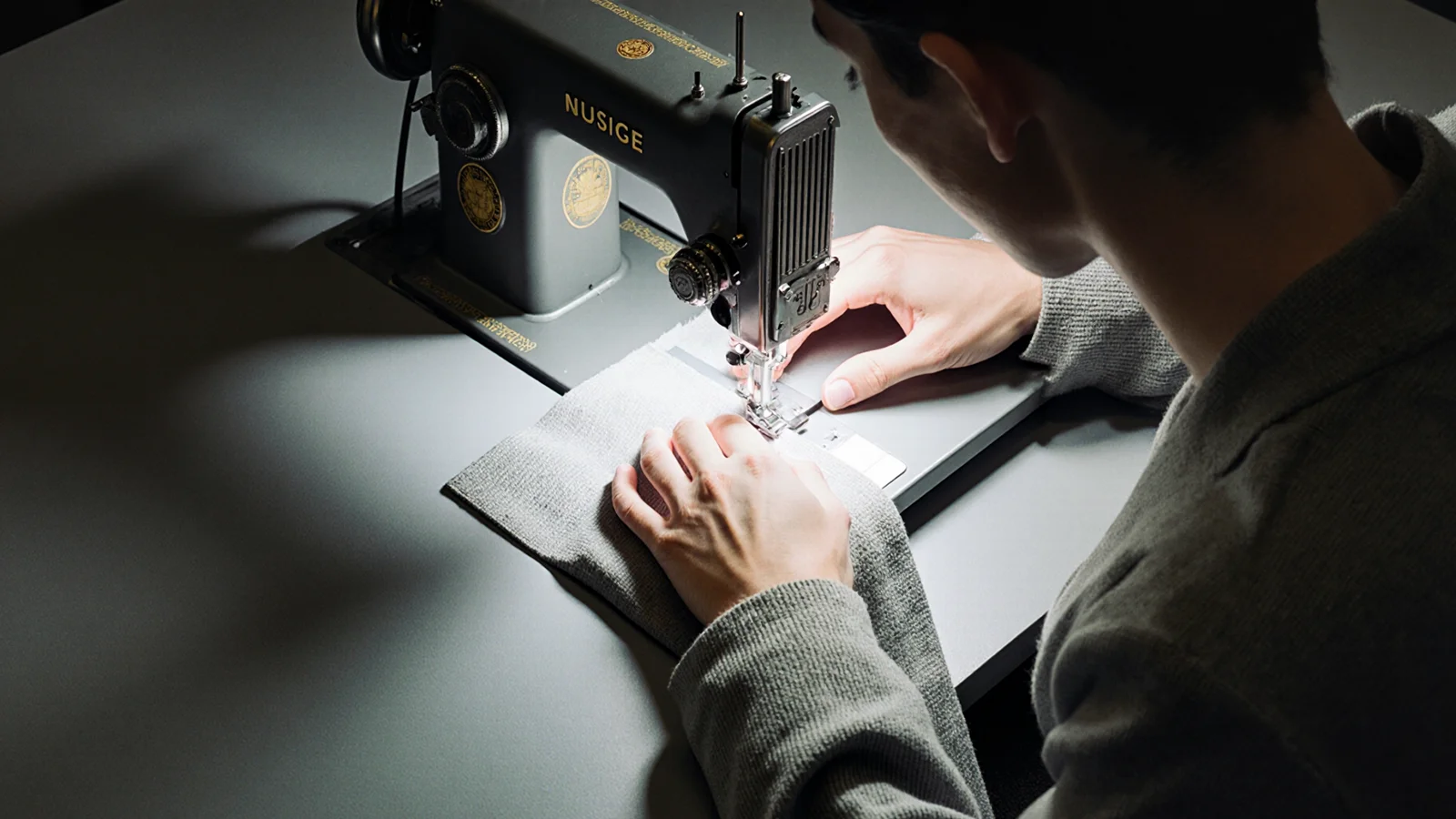
With the product direction established, the next challenge is determining how the products will actually be made.
Manufacturing is one of the most consequential operational decisions for a new fashion business. It influences product quality, costs, lead times, minimum order quantities, production flexibility and the brand's ability to deliver consistently.
There is no universally correct manufacturing model. The right approach depends on the products, intended quantities, quality requirements, available capital and business strategy.
Understand the available production models
Several approaches are commonly used within the fashion industry.
In-house production: The brand manages production directly, using its own facilities, equipment and workforce. This can provide considerable control over quality, development and scheduling. It also requires investment in infrastructure, personnel and production management.
Independent workshops and ateliers: Smaller workshops and specialist makers can be particularly suitable for brands requiring specialized craftsmanship, limited quantities or detailed construction. This approach may offer greater flexibility for certain products, although capacity and production costs can become limiting factors.
Cut, Make and Trim (CMT): Under a CMT arrangement, the manufacturer generally handles cutting, sewing and assembly, while the brand supplies fabrics, trims and technical specifications. This model gives the brand more control over material sourcing but also requires greater involvement in production coordination.
Full-package production (FPP): A full-package manufacturer generally manages a broader portion of the production process, potentially including sourcing, materials and manufacturing. This can simplify coordination, although the exact responsibilities and services vary between suppliers.
Private label and existing product models: Some manufacturers offer existing product designs that can be customized with the brand's labels, colors or other specifications. This can be useful for businesses seeking a more accessible entry into production, but the degree of design control and differentiation may be limited.
Made-to-order and small-batch production: These approaches allow products to be manufactured in response to confirmed demand or in smaller quantities. They can reduce certain inventory risks, although they may involve longer delivery times, higher unit costs or additional coordination.
Each model presents different advantages and compromises. Your research, positioning and product requirements should determine which one is appropriate.
Find manufacturers that match your product
A manufacturer that produces excellent T-shirts may not have the expertise required for structured tailoring. A factory specializing in leather goods may not be suitable for technical sportswear.
Look for suppliers with relevant experience in your specific product type.
When evaluating potential manufacturers, consider previous work and product specialization; construction and finishing capabilities; minimum order quantities; sampling costs and development timelines; production capacity and lead times; quality control procedures; communication and responsiveness; material sourcing capabilities; pricing and payment terms; and relevant compliance and traceability requirements.
Where possible, inspect production facilities, request references and assess samples before entering a significant commercial commitment.
Prepare proper production documentation
Manufacturers need clear instructions.
A well-developed technical pack should communicate the design, measurements, materials, construction details, color specifications, components and finishing requirements.
A bill of materials should identify the fabrics, trims, labels and other components required to manufacture the product.
The more precise the documentation, the less room there is for misunderstandings between the brand and the production team.
It is equally important to define acceptable quality standards. Establish how measurements will be checked, which defects are unacceptable and how finished products will be inspected.
Calculate the real cost of production
Factory pricing is only one part of the cost of bringing a product to market.
You may also need to account for fabrics, trims and additional materials; sampling and development; labels and packaging; shipping and freight; customs duties and import taxes; quality control and inspection; and storage and fulfilment.
These costs influence the amount you need to invest and the price at which the products must be sold.
Do not select a manufacturer exclusively because it offers the lowest quotation. A low production price can become expensive when quality problems, delays, inconsistent materials or unexpected costs begin affecting the business.
The objective is to establish a dependable production system that supports the quality and commercial requirements of your brand.
Before approving production, check the mandatory product information and labelling requirements in every market where the products will be sold. In the United States, most textile and wool products require disclosure of fiber content, country of origin and the responsible business. Covered apparel also requires appropriate care instructions. These requirements vary by jurisdiction, so confirm them before approving labels and packaging. Review the FTC apparel-labelling guidance at:
8. Build the Commercial and Operational Foundation
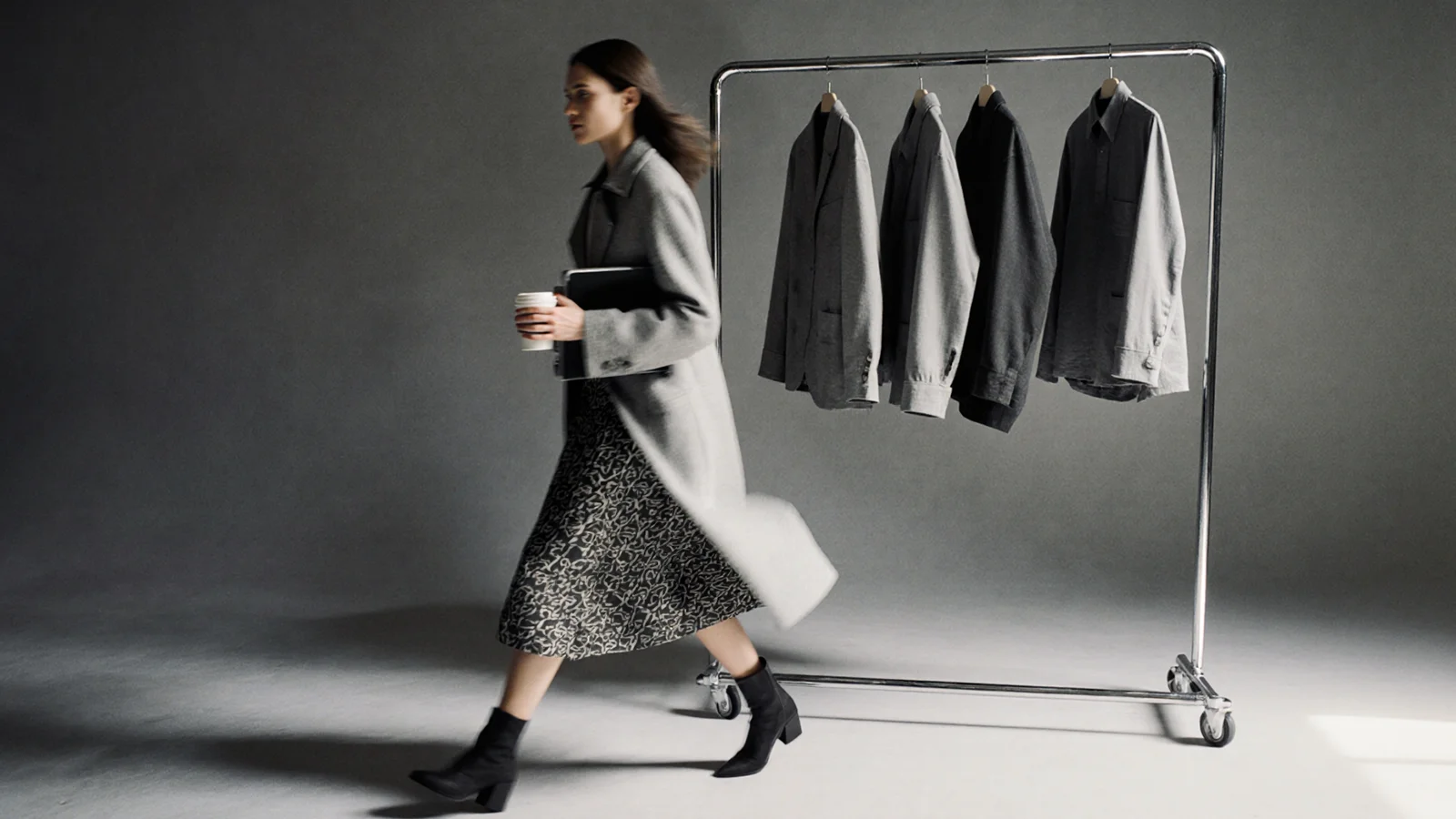
A fashion brand needs a sustainable business model behind its creative direction.
This is the stage where you determine how the business will make money, how it will manage its resources and what needs to happen for it to operate reliably.
Many promising labels encounter difficulties here because their attention has been concentrated on creating the collection and establishing a visual identity. The commercial structure receives attention only when production invoices begin arriving.
It should be considered much earlier.
Determine how the brand will sell
Decide which sales channels are appropriate for the brand.
Direct-to-consumer (DTC): Selling through your own website gives you greater control over the brand experience, customer relationships and pricing. It also means taking responsibility for customer acquisition, ecommerce operations and fulfilment.
Wholesale: Selling through independent retailers, boutiques and department stores can provide access to established customers and physical distribution. However, wholesale pricing, retailer margins, delivery requirements and payment terms must be reflected in your financial model.
Physical retail and pop-ups: Physical environments provide opportunities for direct interaction, product assessment and brand experiences. They can also require significant investment and operational resources.
Marketplaces: Third-party platforms can provide additional exposure and access to customers, although they may introduce fees, competition and restrictions on the brand experience.
Some brands use several channels simultaneously, while others begin with a narrower approach.
Choose based on where your audience shops, how your products should be experienced and whether the commercial model works at each channel's pricing structure.
Establish your pricing architecture
Pricing needs to reflect more than the amount a manufacturer charges for a product.
Calculate the full cost associated with bringing each item to market, then consider how that cost relates to your intended positioning and sales channels.
A basic gross margin calculation is:
Gross margin = (Net sales revenue − Cost of goods sold) ÷ Net sales revenue × 100
For example, if a product generates $120 in net sales revenue and has a cost of goods sold of $48, its gross margin is 60%.
However, gross margin is not the same as net profit. Marketing, payment processing, fulfilment, overhead, returns and other operating expenses still need to be covered.
Wholesale requires additional attention. A product must be priced so that the business can sell it to retailers at a viable wholesale price while allowing the retailer to establish its own selling price.
Work backwards from the intended retail price and consider every stage through which the product will be sold.
Never assume that a product is profitable simply because its selling price is several times higher than its factory cost.
Prepare a realistic financial plan
Before placing a production order, calculate how much capital the business needs.
Your initial budget may include brand development and creative production; product research, design and sampling; initial inventory and production deposits; freight, customs and storage; website development and technology; packaging and brand materials; marketing and launch activities; business registration and professional fees; and operational expenses and contingency reserves.
Pay particular attention to cash flow.
A business may have attractive margins on paper and still experience financial difficulties because money is committed to inventory months before the products generate revenue.
Manufacturing deposits, production balances, shipping costs and operating expenses often fall due at different times. Model those commitments against realistic sales expectations.
Prepare projections for different scenarios, including slower-than-expected sales, production delays and the need to reorder successful products.
Build the operational system
Think through how orders will be received, processed, stored, packaged and delivered.
Determine how inventory will be tracked, how returns will be handled, who will manage customer support and how suppliers will communicate production updates.
Even a small fashion label benefits from clear operating procedures.
A brand that presents itself professionally but cannot deliver orders reliably will quickly undermine the trust it has worked to establish.
9. Develop the Complete Brand Experience

A brand is encountered through a series of interactions.
A customer might discover it through a campaign, explore its website, examine a garment, read about its materials, place an order, receive a package and contact customer support.
Every one of these interactions contributes to their understanding of the brand.
This is why the brand experience must be considered as a complete system.
Design the physical brand touchpoints
Consider how the identity will appear across the products and materials customers encounter.
Depending on the category, these may include garment labels and care labels; hangtags and product cards; packaging and shipping boxes; dust bags and protective materials; jewelry boxes and accessory packaging; thank-you cards and printed materials; product documentation and certificates; and retail displays and physical environments.
The objective is to create a connected experience in which the details support the intended market perception.
A premium product should not feel considered only until the point of purchase. Its presentation, packaging and aftercare should reflect the same standard.
Do not add unnecessary packaging simply to make the experience appear luxurious. Thoughtful materials, appropriate protection and careful presentation are more valuable than excessive decoration.
Build a website that reflects the brand and sells the product
For a new fashion business, the website is often the most important point of contact between the brand and its potential customers.
It must communicate the identity while making purchasing decisions straightforward.
A strong fashion ecommerce website should include:
• A clear homepage: Introduce the brand's visual world, central proposition and current collection without overwhelming the visitor.
• Well-structured product pages: Present each item with high-quality imagery, relevant product information, material details, available sizes and clear purchasing options.
• Useful sizing information: Include measurements, fit descriptions and guidance that helps customers understand how products are intended to fit.
• Transparent policies: Make shipping, delivery, returns, exchanges and payment information accessible.
• A consistent visual experience: Typography, imagery, colors, layout and language should all reflect the established identity.
• A reliable purchasing process: Navigation, mobile functionality, loading performance and checkout should work smoothly.
Product information deserves particular attention.
Customers cannot physically inspect a garment through a screen. They need enough information to understand its construction, proportions, material, texture and fit.
Show products from different angles. Include detailed images where construction or material quality is important. Explain what makes each item distinctive rather than relying on a short product name and price.
The website should also be considered from an organic search perspective. Use descriptive product and category names, meaningful page titles, useful editorial content and clear internal links. Search visibility can bring people into the brand's environment long after an individual campaign has ended.
Most importantly, ensure that the website communicates a consistent expectation and the actual business can fulfil it.
10. Establish Creative Direction and Produce Brand Imagery
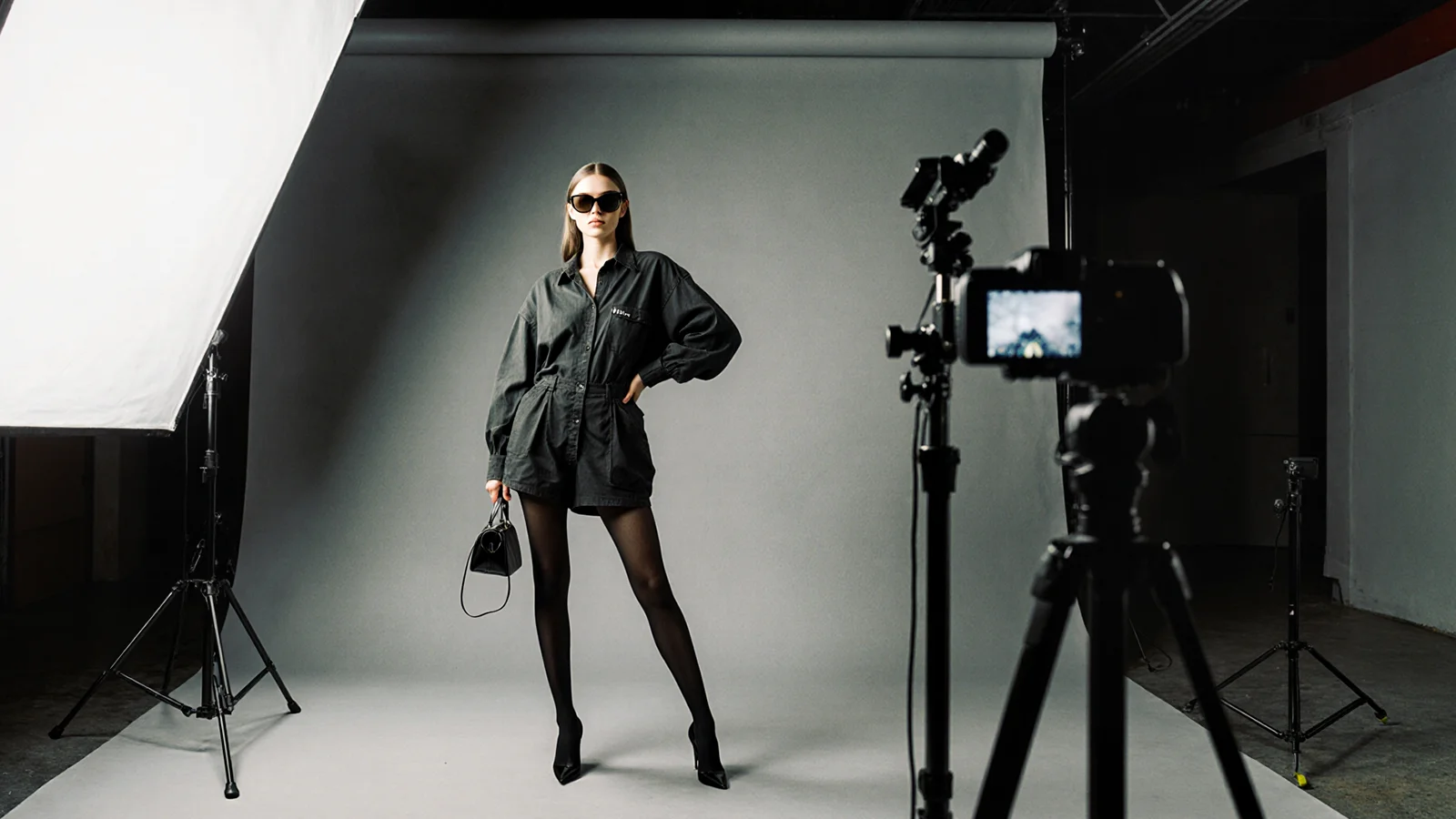
Fashion is an intensely visual industry.
Photography, film, styling and creative production influence how a product is interpreted and how the audience perceives the brand.
This makes creative direction a significant part of brand development.
Establish the visual world
Before organizing a photoshoot, establish the creative direction that should guide it.
Think about the atmosphere, visual references, casting, styling, locations, lighting, composition and overall emotional character of the imagery.
A campaign should feel connected to the brand's positioning and visual identity.
For example, a label built around architectural precision may benefit from structured compositions, considered environments and controlled lighting.
A brand centered on expressive street culture may require a more documentary approach, distinctive casting and imagery that feels connected to the environments its customers inhabit.
There is no universal formula for an effective fashion campaign. Its creative language should come from the brand itself.
Plan your photography and campaign requirements
A brand shoot should be organized around the assets the business actually needs.
These may include campaign hero images; editorial fashion photography; clean product images; detailed product and material photography; short-form videos and motion content; website banners and collection imagery; social media assets; advertising creative; and press and promotional materials.
Think about how each asset will be used.
A striking editorial photograph may communicate the brand beautifully but provide insufficient product information for an ecommerce page. Both are valuable, but they serve different purposes.
Consider production intelligently
Professional fashion production can involve considerable expenditure, particularly for emerging brands.
Traditional photoshoots, location production, models, photographers, creative teams and post-production all require planning.
Newer AI-assisted visual production methods can also offer opportunities to develop more extensive imagery and campaign concepts with different production requirements.
The technology should support the creative direction rather than determine it.
One distinction is particularly important: editorial imagery can explore a wider visual world, but product photography must accurately represent what customers will receive. Do not create an unrealistic impression of a garment's construction, colour or details.
The ultimate objective is to create a recognizable visual presence that can be maintained across campaigns and collections.
11. Plan Your Fashion Brand Launch and Marketing Strategy

The launch is the first major public introduction of your brand.
It is the moment when the work completed during development becomes visible to customers, retailers, media and the wider fashion community.
A successful launch should introduce the brand with enough clarity and consistency for people to understand what it offers, why it is distinctive and where they can experience it.
Prepare the market before launch
Do not assume that publishing a website and announcing a collection will automatically generate demand.
Begin building awareness before the release.
Introduce the brand's visual world, share relevant aspects of its development and create opportunities for interested people to stay informed.
Depending on your market and strategy, this may involve building an email list or launch notification list; developing relationships with relevant creators and stylists; contacting fashion publications and media; preparing product and campaign content; introducing the founder's perspective; engaging relevant communities; and exploring retailer and stockist relationships.
The purpose is to establish an initial audience and create familiarity before asking people to purchase.
Develop a launch sequence
A launch is more effective when its communications have a deliberate sequence.
Introduction: Establish the brand and introduce its identity, perspective and visual world.
Anticipation: Build awareness around the upcoming collection and give the audience reasons to pay attention.
Revelation: Present the products, explain their defining qualities and communicate what makes the collection distinctive.
Release: Make the products available through the intended channels and direct interested customers to purchase.
Continuation: Maintain communication, showcase the collection in different contexts, respond to customer interest and keep the brand present beyond launch day.
The exact timing and format will vary, but each communication should contribute something to the introduction.
Avoid revealing everything without a clear narrative or publishing unrelated content simply to maintain activity.
Build a consistent marketing system
After launch, marketing needs to become a continuing part of the business.
Social media can provide valuable visibility, particularly for fashion brands, but it should not become the entire marketing strategy.
Consider how different channels can work together.
Social media helps establish visual recognition, communicate with the audience and distribute creative content.
Email marketing provides a direct communication channel for collection releases, important announcements and customer relationships.
Content and editorial help communicate the brand's perspective and provide material that can attract people through organic search.
Public relations can introduce the brand to relevant publications, stylists, editors and industry contacts.
Creator and cultural relationships can bring the brand into environments where its audience already pays attention.
Paid advertising can expand reach, test creative directions and generate sales when the underlying offer and purchasing experience are ready.
Each channel should have a defined purpose.
Paid advertising deserves particular attention. It can accelerate exposure, but it cannot compensate for an unclear brand position, an unconvincing product or a poor website experience.
Before scaling advertising expenditure, understand which products attract attention, which messages generate meaningful interest and where potential customers abandon the purchasing process.
Start with measurable tests and use the results to improve the creative, audience selection and commercial offer.
The important distinction is between generating attention and creating demand. Attention brings people into contact with the brand. Demand gives them a reason to purchase.
A successful marketing strategy needs both.
12. Build a System for Customer Retention and Continued Development

A fashion brand is not finished when its first collection sells.
In many respects, the real work begins after the first customers arrive.
The business now has something that cannot be fully established through research or planning alone: actual evidence of how the market responds to its products, positioning and experience.
The challenge is to turn that information into a stronger business and a more established brand.
Understand what the market is telling you
Track more than total sales.
Examine which products perform well, which sizes sell, where customers come from, what causes returns and which marketing activities generate profitable demand.
Useful indicators include revenue and sales by product; full-price sell-through; gross and contribution margins; inventory levels and stock turnover; website conversion rate; customer acquisition cost; average order value; return and exchange rates; and repeat purchase rate.
These indicators help identify problems that may not be visible from revenue alone.
For instance, a product might generate substantial sales but have an unusually high return rate due to inconsistent sizing. Another might receive considerable attention but contribute little profit after production and advertising expenses.
Understand the reasons behind the numbers before making major decisions.
Give customers a reason to return
Acquiring new customers is only one part of building a fashion business.
Existing customers already understand the brand and have experienced its products. Maintaining that relationship can support more predictable demand and a stronger long-term market presence.
Focus on the experience after purchase.
Deliver orders reliably. Make exchanges straightforward. Provide useful product care information. Respond professionally when customers have problems. Give people a reason to trust the company beyond their initial transaction.
Develop communication that reflects the relationship rather than treating every interaction as another sales opportunity.
Depending on the brand, this might include early access to collections, product updates, exclusive releases, events or a closer relationship with its community.
Loyalty is earned through the cumulative experience of dealing with a company.
Establish a repeatable product and marketing rhythm
A fashion business needs a system for developing and introducing products consistently.
Determine an appropriate collection calendar, production schedule, creative production process and marketing rhythm.
For some brands, this might mean seasonal collections. Others may work with smaller releases, permanent core products, limited drops or made-to-order production.
The frequency should be determined by the product, customer demand, financial capacity and production model.
A release schedule that exceeds the company's ability to develop quality products or manage inventory will create unnecessary pressure.
Expand with strategic discipline
As the brand becomes established, opportunities to enter new markets, introduce categories and increase production may emerge.
Evaluate them carefully.
A successful first collection does not automatically justify launching ten new product categories. An audience in one market does not guarantee demand in another. A retailer's interest does not necessarily mean its commercial terms are suitable.
Expansion should be supported by customer demand, financial capacity, operational readiness and a clear relationship with the brand's identity.
The objective is to develop a business that can become more substantial without losing the qualities that made it worth choosing in the first place.
What Are the Most Common Mistakes When Building a Fashion Brand?
Understanding the process is important. Recognizing what can go wrong is equally valuable.
Many new fashion businesses encounter similar problems, often because they approach individual decisions without considering their effect on the entire brand.
1. Starting with the logo instead of the strategy. A visual identity developed before the positioning is established often reflects the founder's personal taste rather than the needs of the brand. The result may look attractive but fail to communicate a distinctive market position.
2. Entering a category without proper research. Assuming there is demand simply because the founder likes a particular product is a risky foundation. Research should establish who might purchase, what alternatives exist and why the proposed offer could be relevant.
3. Copying established brands. Reference is a normal part of creative development. Reproducing another brand's positioning, visual language or product approach makes it difficult to establish an independent identity. Study successful brands to understand their decisions, not to recreate their results.
4. Developing too many products too early. A large opening collection can introduce unnecessary manufacturing complexity, inventory commitments and financial exposure. Start with an assortment that can be developed and supported properly.
5. Choosing manufacturers based exclusively on price. Production quality, communication, reliability and technical capability matter. A cheap quotation is of little value when the finished product fails to meet the required standards.
6. Underestimating the financial requirements. The cost of manufacturing is only part of the investment. Sampling, freight, duties, packaging, marketing, fulfilment and operating expenses all need to be considered.
7. Treating social media as the entire business. Visibility is valuable, but followers and views do not guarantee commercially viable demand. The brand needs a product people want, a clear purchasing experience and channels that convert attention into sales.
8. Introducing advertising before the foundations are ready. Increasing advertising expenditure will not resolve fundamental problems with positioning, product quality, pricing or the website. Address those issues before trying to amplify demand.
9. Changing direction too frequently. A new brand needs enough consistency to become recognizable. Constantly changing its visual identity, message, products and positioning prevents that recognition from developing.
10. Expanding before the business is ready. New categories, markets and larger production quantities introduce complexity. Expansion should follow evidence of demand and operational capacity rather than excitement about new opportunities.
The common thread behind these mistakes is a failure to establish the right foundations before moving forward.
How Much Does It Cost to Start a Fashion Brand?
One of the most frequently asked questions among aspiring founders is how much money is required to start a fashion brand.
There is no single figure that applies to every business.
A small accessories label using existing product models will have very different startup costs from a luxury fashion house developing custom garments, specialist materials and an extensive opening collection.
Your investment depends on several factors: product category and technical complexity; number of products and variations; sampling and development requirements; manufacturing model and minimum order quantities; initial inventory; packaging and brand materials; website and digital infrastructure; creative production and photography; marketing and launch expenditure; and location, logistics and regulatory requirements.
The most useful approach is to build a budget around your actual business model.
Calculate what is required to develop, manufacture, introduce and deliver the first collection. Include operational costs and sufficient working capital to manage unexpected delays or slower sales.
Avoid spending the entire available budget on product development. A brand also needs the financial capacity to enter the market, fulfil orders and remain operational while sales develop.
Can You Start a Fashion Brand With No Experience?
Yes, although a lack of experience in product development, manufacturing, branding or business operations introduces additional challenges.
You do not necessarily need to be a fashion designer to establish a fashion brand. Founders can work with designers, technical developers, manufacturers, branding specialists and other professionals to develop the capabilities they lack.
What matters is understanding the decisions involved and working with people who can execute them properly.
You should remain closely involved in the direction of the business. Delegating specialist work does not remove the need to understand what you are building, whom it serves and what standards it needs to meet.
A good starting point is to identify your own strengths, recognize the areas where you need expertise and assemble the right resources around the project.
How Long Does It Take to Build a Fashion Brand?
The development timeline depends on the scope and complexity of the project.
A brand using existing products and a relatively straightforward production model may be able to reach the market more quickly than one developing custom garments, specialist construction, new materials or complex supply chains.
The brand development process itself may involve research, strategy, naming, identity, website development, packaging, creative production and launch planning.
Product sampling, manufacturer coordination, revisions and production add their own timelines.
It is important to plan these activities together. A brand may be visually ready for launch while its products are still in development, or its inventory may arrive before the website and marketing materials are prepared.
Build a realistic schedule that accounts for dependencies, revisions and contingency rather than choosing an arbitrary launch date and forcing every decision around it.
Do You Need a Business Plan to Start a Clothing Brand?
A business plan is strongly recommended, particularly when the project involves meaningful manufacturing costs or external investment.
It should explain what the business intends to sell, whom it intends to serve, how it will compete, how it will manufacture and distribute its products and how it expects to generate revenue.
Financial projections should include startup costs, product costs, pricing, operating expenses, cash flow and expected sales.
A business plan does not need to be an elaborate investor presentation. Even a concise working document can help founders assess whether their assumptions make commercial sense.
It also provides a useful reference when the business begins considering new products, sales channels or markets.
What Is the Difference Between a Clothing Brand and a Fashion Brand?
The terms are often used interchangeably, but they can describe different levels of development.
A clothing label may primarily identify a company that produces and sells garments.
A fashion brand develops a broader identity around its products. It establishes a recognizable point of view, a particular market position, a distinct visual and verbal language and a consistent experience.
The distinction is not determined by company size or product price. A small independent label can have a remarkably strong brand, while a much larger clothing business may remain primarily product-driven.
What matters is the depth and consistency of the identity surrounding the product.
The Right Way to Build a Fashion Brand
Building a fashion brand is a series of connected decisions.
Research establishes an understanding of the market. Strategy identifies the opportunity and defines the position the brand intends to occupy. Product development turns that direction into something tangible. Storytelling and identity make the brand recognizable and meaningful. Manufacturing and commercial planning make it possible to deliver on its promises. Creative direction, marketing and customer experience introduce it to the world and establish the conditions for its continued development.
None of these stages should exist in isolation.
A compelling identity cannot compensate for a poorly developed product. An exceptional product can struggle without a convincing market position. A successful launch can create problems when manufacturing and operations are unprepared for demand.
The strength of a fashion brand comes from the way its different elements work together.
This is also why the earliest decisions deserve so much attention. The choices made at the beginning influence almost everything that follows, from the kind of products the company develops to the customers it attracts and the reputation it eventually establishes.
At Wotbbi, this is the philosophy behind how we approach fashion brand creation. We bring research, brand strategy, naming, storytelling, visual identity, digital experience and creative direction together to build fashion brands with a clear position and a complete identity from the outset.
Our work is centered exclusively on fashion, helping emerging and established labels develop the foundations and market presence their ambitions require.
Because ultimately, the objective should not be to introduce another name and collection into the fashion industry.
It should be to build a brand with a reason to exist, a recognizable identity and the foundation to become something people genuinely want to be part of.
Explore Wotbbi's Brand Creation Program to discover how we build fashion brands from the ground up: